
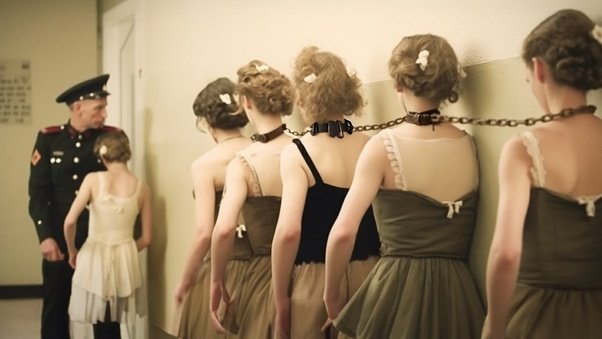
In the tumultuous backdrop of World War II, between the echoes of gunfire and the clatter of air raids, a mysterious world of shadows and silence existed. An invisible war fought not with bullets but with coded messages, deception, and unwavering courage. This was the land of spies. But who were these unsung heroes and villains, and what fate befell those unfortunate enough to be exposed?
Imagine being Virginia Hall, an American spy dubbed “the most dangerous of all Allied spies” by the Germans, navigating the underworld of Nazi-occupied France. Or witness the daring exploits of Richard Sorge, a man who played a deadly double game as a German journalist and a Soviet spy. Yet, as their covert operations changed the course of the war, the price of discovery was terrifyingly high.
Caught between the jaws of Axis and Allied power, captured spies often faced brutal punishment, with torture, internment, and execution as their grim reality. What stories of perseverance and valor were recorded in these silent cries?
George Washington once stated, “The necessity of acquiring good information is self-evident and needs no further justification.” In this light, we delve into the secret world of World War II spies, their risky operations, and the unspeakable punishments meted out to those exposed. Welcome to the diary of Julius Caesar.
Shadows of War: The Invisible Hands Guiding the Fate of World War II.
As the embers of unrest fanned into the flames of World War II, a subtle game of chess unfolded behind the scenes, hidden from public view and the glare of battle. This was the realm of espionage, where information was as deadly as any bullet. It was a secret world delicately woven into the very fabric of the war, engaging several key players and influencing strategies that ultimately shaped the fate of nations.
The cunning British, renowned for their penchant for covert operations, led the attack on the Allied side. A key figure was the British Security Coordination, an organization headed by legendary spymaster William Stephenson, colloquially known as “Intrepid.” From a secret office in New York’s Rockefeller Center, “Intrepid” established a vast intelligence network that spanned America and Europe.
A key element of British intelligence operations was the Special Operations Bureau, established in 1940 by order of Prime Minister Winston Churchill, who famously ordered them to “set Europe on fire.” Their network included people from all walks of life, from the nobility to ordinary civilians, each playing a role in the collective effort to turn the tide of the war. One notorious agent was Noor Inayat Khan, a British secret agent of Indian descent who operated in Paris under the codename “Madeleine.” Despite risking dire consequences if caught, Khan passed vital information to the Allies until she was ultimately captured.
On the other hand, the Germans also possessed an effective espionage network. The fearsome Abwehr, under the command of Admiral Wilhelm Canaris, stretched its tentacles across the globe, from the sands of North Africa to the shores of the United States. Unknown to them, however, Canaris, appalled by the atrocities committed by the Nazis, was secretly working against his own government—a daring act that ultimately led to his execution.

0 Comments